Napa
1031 Exchange Properties in Napa, CA
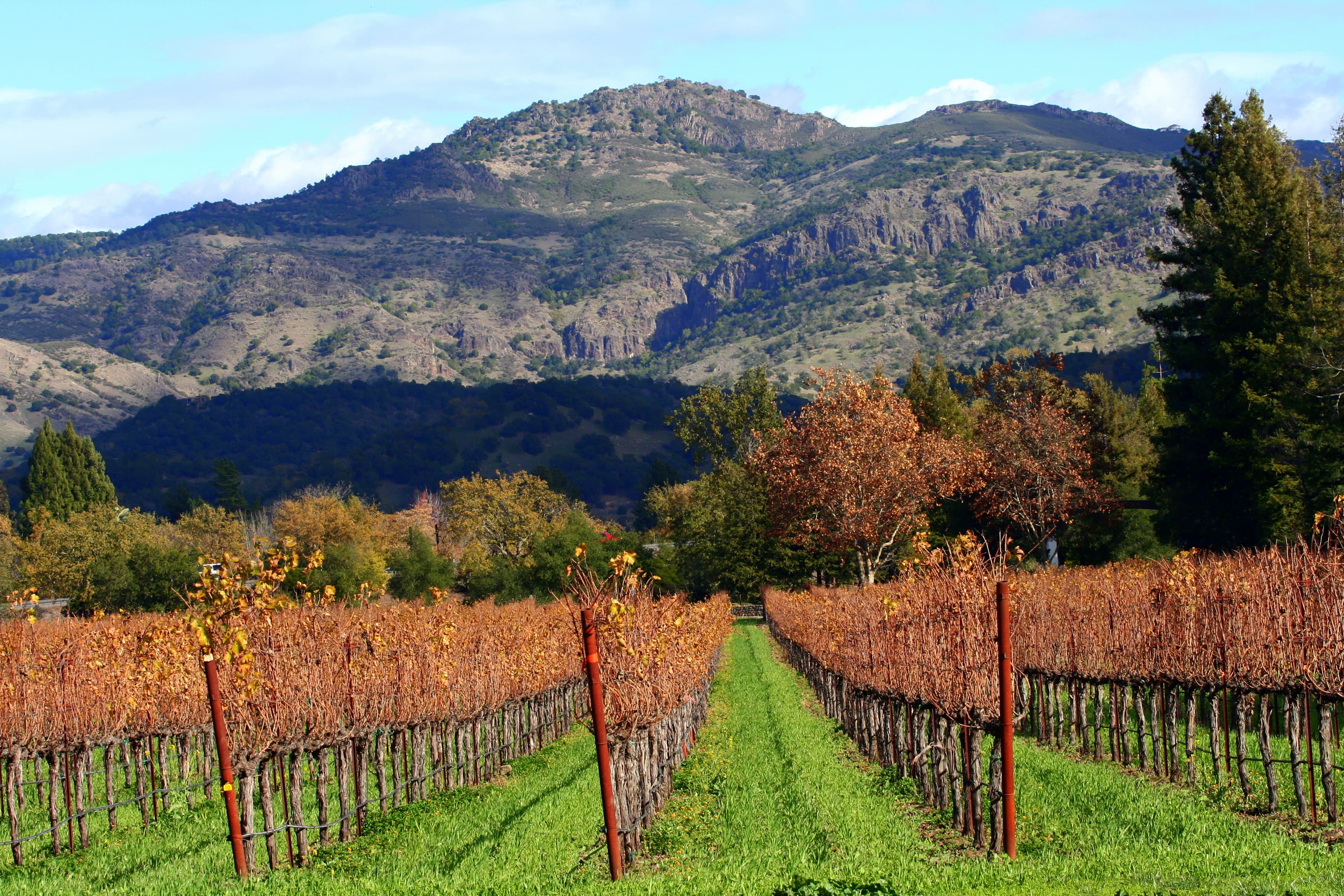
Napa's commercial real estate market runs on wine country tourism and the agricultural land use rules that protect the vineyards drawing that tourism in the first place. Downtown Napa's hospitality and retail stock sits alongside a strict agricultural preserve framework that shapes what can and can't be developed just outside the city limits, and an exchange investor needs to understand both halves of that picture. The city itself functions as the commercial and civic hub for a much larger wine country region, which keeps downtown's hospitality and retail base busier than its modest population alone would suggest.
Tasting Room Zoning Is Its Own Category
Winery tasting rooms operate under specific land use permits tied to agricultural production, not standard retail zoning, and a property marketed with an existing tasting room use should have that permit reviewed carefully, since it often doesn't transfer automatically or apply the same way to a new operator. A buyer assuming a tasting room license functions like a standard retail lease can run into real complications after closing.
The Napa County Agricultural Preserve and Williamson Act
Much of Napa County's vineyard land operates under Williamson Act contracts or the county's agricultural preserve rules, which restrict non-agricultural development in exchange for reduced property tax assessment. A parcel under one of these programs cannot simply be repositioned to standard commercial use without unwinding the agricultural contract, often at real cost and with a multi-year notice period, so this needs to be confirmed before treating agricultural-zoned land as a flexible development candidate.
Downtown Napa's Post-2014 Earthquake Rebuild
The 2014 South Napa earthquake damaged a number of downtown Napa's older unreinforced masonry buildings, and the years since have brought a wave of seismic retrofit and rebuild work to the city's historic core. A buyer considering an older downtown building should confirm whether it went through post-earthquake structural review and repair, since that history materially affects both the building's safety profile and its insurance cost.
Napa River Flood Control and Downtown Redevelopment
A multi-decade flood control project along the Napa River has reshaped downtown flood risk and opened up riverfront parcels for redevelopment that would have been considered flood-prone a generation ago. That shift has been a meaningful factor in downtown Napa's hospitality and mixed-use growth, and a property's specific flood zone status is worth confirming even in areas that feel improved relative to the pre-project baseline.
Coordinating an Exchange Around Seasonal Tourism Demand
Napa's hospitality-linked commercial income can swing with harvest season and event calendars more than a typical Bay Area retail property, so we ask for a full annual cycle of revenue history on any candidate tied to wine country tourism rather than relying on peak-season numbers alone. That fuller picture matters most when the 45-day identification window falls during the market's slower winter months, since a strong harvest-season snapshot can otherwise make a marginal asset look stronger than its true annual performance.
Frequently Asked Questions
Does a tasting room license transfer automatically with a property sale?
Not necessarily. Tasting room operations run under agricultural-linked land use permits rather than standard retail zoning, and those permits often need separate review or reapplication for a new operator rather than transferring automatically at closing.
Can I develop agricultural-zoned Napa land for commercial use?
Only after confirming whether the parcel is under a Williamson Act contract or the county's agricultural preserve rules, both of which restrict non-agricultural development and typically require an extended, costly process to unwind before repositioning the land.
Should I check whether a downtown Napa building was repaired after the 2014 earthquake?
Yes, particularly for older unreinforced masonry buildings. Confirming post-earthquake structural review and repair history affects both the building's safety profile and its insurance cost going forward.
Has flood risk changed for downtown Napa properties in recent years?
In many areas, yes. A long-running flood control project along the Napa River has reduced flood risk in parts of downtown that would have been considered flood-prone a generation ago, though a property's current flood zone status should still be confirmed individually.
Can 1031 Exchange San Francisco confirm my Napa property qualifies as like-kind?
No. We coordinate identification, scheduling, and advisor communication. Like-kind qualification is determined by the investor's CPA, tax attorney, and qualified intermediary.
Find Replacement Properties in Napa
Contact us to discuss 1031 exchange properties in Napa, CA.