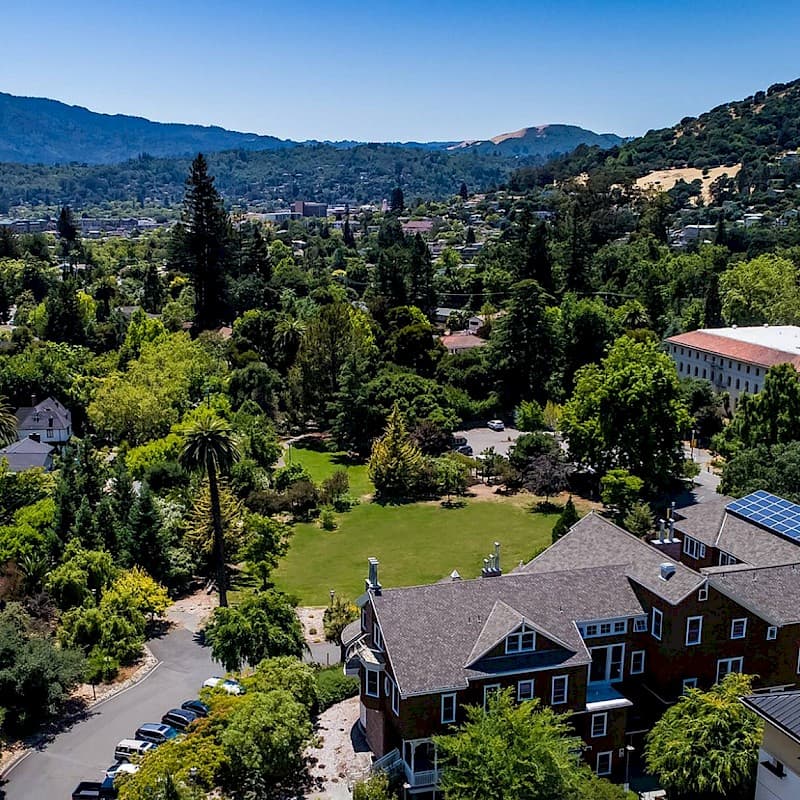
San Rafael
1031 Exchange Properties in San Rafael, CA
San Rafael is Marin County's seat, and its building stock reflects that split identity, historic downtown storefronts a short walk from the Frank Lloyd Wright-designed civic center on one side, and the flood-prone Canal District along San Rafael Creek on the other. Anyone who has run maintenance on a Canal District building knows the tide matters as much as the tenant roster. I check both a building's high-tide history and its structural age before I ever get to the rent roll here, because either one can quietly reshape the numbers.
A County Seat With Two Distinct Submarkets
San Rafael's commercial and multifamily stock generally falls into these categories:
- Historic downtown retail and office along Fourth Street
- Dense multifamily in the low-lying Canal District
- Professional and government-adjacent office near the Marin County Civic Center
- Neighborhood retail centers serving the surrounding residential areas
- Small light-industrial and service-commercial parcels near the freeway
The government and professional office tenants near the Civic Center tend to be the most stable of the group, but even that stability doesn't remove the need to check a building's flood and structural history before buying.
Identifying Replacements Across a Split Market
A seller exiting Canal District multifamily can usually stay with the three-property rule if comparable buildings are available in the same flood-exposed corridor, since that submarket is deep enough to support it. A seller trading a historic downtown building sometimes needs the 200% rule instead, especially if a repositioning plan means comparing retail, office, and mixed-use candidates side by side. Either way, I ask that the identification list note each candidate's flood zone status and any known historic designation before it goes to the qualified intermediary, since both details affect how quickly a lender can move.
The Downtime Tidal Flooding Actually Causes
Canal District buildings often depend on sump pumps, backflow valves, and sometimes temporary flood barriers during high tide events, and maintaining those systems means periodic access restrictions that a standard multifamily inspection elsewhere wouldn't anticipate. On the downtown side, historic buildings frequently carry older masonry or structural systems that require careful, code-compliant repair rather than a standard remodel, and that work tends to move slower and cost more than a buyer's first estimate. A sump pump failure during a king tide event can mean an emergency call at two in the morning rather than a scheduled repair, and a new owner should know whether the building's systems have a track record of holding up under that kind of pressure.
Coordinating Closing Around Flood and Historic Building Realities
I get flood zone documentation and, where relevant, historic building review requirements moving alongside the qualified intermediary and lender conversations as early as possible, since either one can add real time to a standard closing process. The 45-day identification window and 180-day exchange period don't leave room for a flood insurance policy or a historic preservation review to surface late and stall the deal. A downtown building that needs exterior work will often trigger a design review process with the city, and starting that conversation during due diligence rather than after closing keeps the whole timeline on track.
What a Sound San Rafael Exchange Looks Like
The buyers who do well here understand which submarket they're actually in, tidal flood exposure in the Canal District or historic building constraints downtown, and they price and schedule accordingly rather than applying one standard diligence checklist to both. A little extra homework upfront in either submarket tends to pay for itself well before the first year of ownership is over.
Frequently Asked Questions
Does the Canal District's flood exposure affect financing on multifamily there?
It can, since lenders and insurers typically want current flood zone documentation and information on any sump pump or backflow protection systems before underwriting the property. Getting that documentation ready early keeps the process from slowing down the exchange timeline.
How many replacement properties should I identify if I'm exiting a historic downtown San Rafael building?
More than three is common if a repositioning plan is involved, since comparing retail, office, and mixed-use candidates side by side often requires the flexibility of the 200% rule rather than the narrower three-property approach. That flexibility matters most when one or more candidates still need historic review before any work can begin.
What should a buyer check before closing on a historic Fourth Street building?
Structural condition, any unreinforced masonry, and historic preservation review requirements for exterior work all deserve attention, since these buildings often need more careful and costly repair approaches than standard commercial construction. Asking the city directly about the building's review history is often more reliable than relying on a seller's summary.
Is Canal District multifamily a good 1031 replacement despite the flood exposure?
It can be for an investor who understands and budgets for the ongoing maintenance and insurance costs tied to that exposure, rather than treating the flood risk as a minor footnote in the offering package. Talking directly with the current maintenance staff about past high-tide events is worth more than any single inspection report.
Can 1031 Exchange San Francisco confirm my San Rafael property qualifies as an exchange?
No. This service coordinates identification, scheduling, and communication among the investor's advisors. Whether a specific property and transaction qualify is a determination made by the investor's CPA, tax attorney, and qualified intermediary, particularly where flood zone status or historic building review affects the transaction.
Find Replacement Properties in San Rafael
Contact us to discuss 1031 exchange properties in San Rafael, CA.