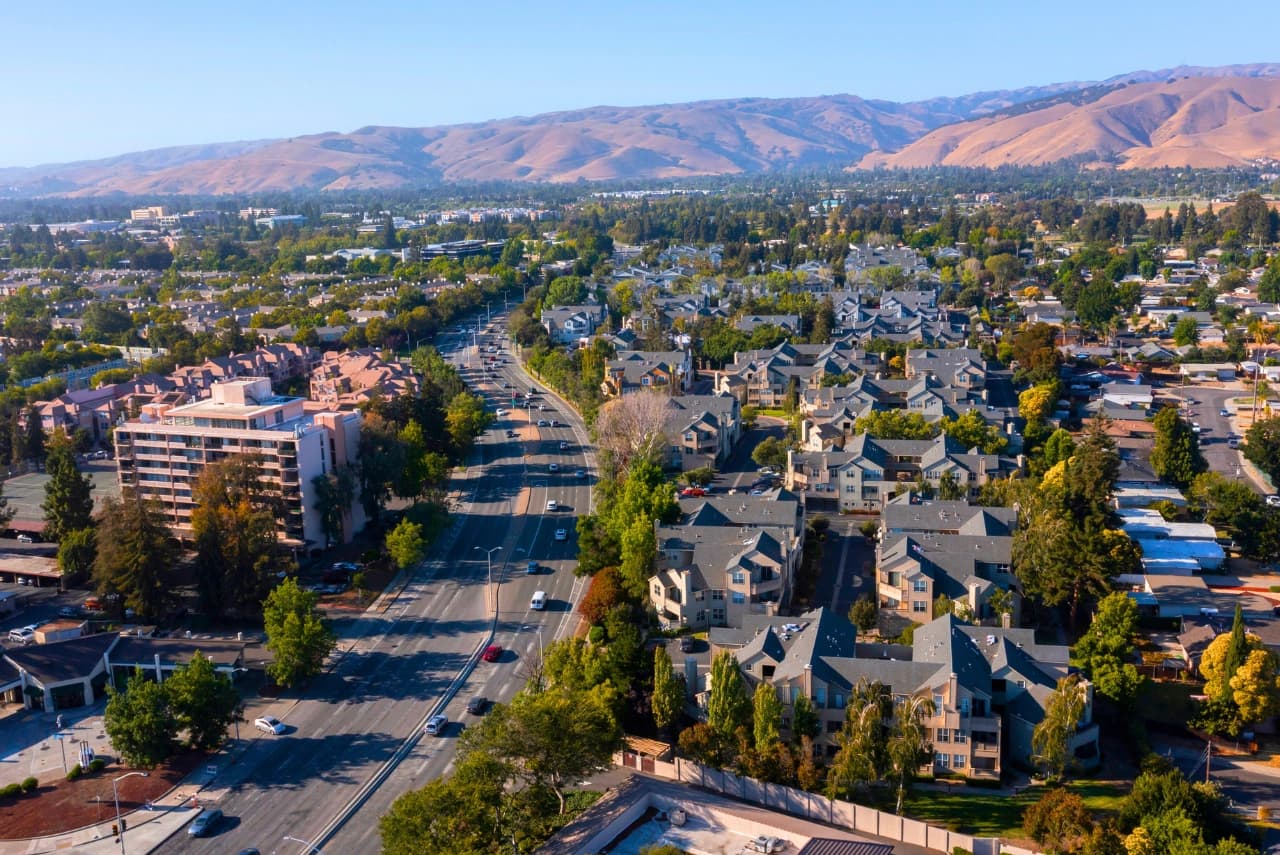
Fremont
1031 Exchange Properties in Fremont, CA
Fremont, CA is a thriving East Bay city with an estimated population of 235,000 residents driving strong demand across industrial and commercial real estate sectors. Located just 25 miles southeast of San Francisco, CA, Fremont's strategic position near major transportation corridors creates exceptional opportunities in industrial, flex, and office properties.
As home to major employers like Tesla (8,000+ employees), Lam Research, Western Digital, and Kaiser Permanente, Fremont, CA offers investors access to institutional-quality assets with long-term appreciation potential. The city's robust semiconductor, technology, and manufacturing industries support consistent demand for industrial and flex properties. Our nationwide property identification support enables Fremont investors to identify replacement properties anywhere in the United States while maintaining local market expertise.
Fremont transfer taxes apply to all real estate transactions, including 1031 exchanges. We coordinate transfer tax disclosure with qualified intermediaries and CPAs to ensure accurate basis tracking and compliance throughout the exchange process.
Fremont was stitched together from five separate townships back in 1956, and that patchwork history still shows up in how differently its districts operate today, from the heavy manufacturing floor space near the old auto plant to the newer tech campuses out toward Warm Springs. A facilities conversation in one part of Fremont barely resembles one in another. I treat a Fremont acquisition almost like buying in three or four different cities that happen to share a mayor.
A Manufacturing City With Several Distinct Districts
Fremont's commercial and industrial stock covers a wide range, and it generally falls into these groups:
- Large-scale advanced manufacturing space, including converted auto assembly buildings
- Technology and life-science campuses in the Ardenwood and Warm Springs areas
- Distribution and warehouse product along the freeway corridors
- Neighborhood retail serving Centerville, Niles, and Irvington
- Smaller flex and light-industrial buildings scattered across the city's older districts
A buyer evaluating any one of these should ask which of the five original townships the building actually sits in, since that history still shapes zoning quirks and utility infrastructure decades later.
Identifying Replacements Across a Wide Industrial Base
A seller exiting a large manufacturing or specialized tech campus building usually needs the 200% rule, since comparable single-purpose facilities are hard to find in threes anywhere close by. A seller trading standard warehouse or distribution space can often stay with the three-property rule, given how deep Fremont's general industrial market runs. Either way, the identification list should be finalized with the qualified intermediary well before the 45-day deadline, since specialized manufacturing candidates often need extra time just to schedule a proper site visit.
The Downtime a Manufacturing Changeover Actually Takes
A building built for heavy manufacturing carries systems a standard warehouse doesn't: wastewater pretreatment, hazmat storage, specialized power infrastructure, and sometimes environmental permits tied to the specific process running inside. Any change in tenant or use means real downtime while those systems are inspected, upgraded, or decommissioned, and I have seen buyers badly underestimate how long an environmental consultant's review alone can take before a changeover is even approved. Decommissioning a wastewater pretreatment system that a prior tenant installed for their own process can take months on its own, well before a new tenant's equipment ever gets delivered.
Coordinating Environmental Review With the Exchange Clock
Phase I and, where warranted, Phase II environmental assessments on former or active manufacturing sites can take longer than a standard commercial closing timeline allows, so I get that process started immediately alongside the qualified intermediary and lender conversations. The 45-day identification window and 180-day exchange period don't pause for an environmental consultant's schedule, so early engagement is the only real protection against a late surprise. A lender financing an industrial purchase here will almost always require that environmental work regardless, so ordering it early serves both the financing and the exchange timeline at once.
What a Well-Coordinated Fremont Exchange Looks Like
The investors who do well here understand which district and which building type they're actually buying into, a legacy manufacturing asset with real environmental homework, a modern tech campus, or a standard warehouse, and they line up the right specialists for that category from the start. Treating every Fremont deal the same way, regardless of district or building type, is the fastest way to miss something expensive, and this is one market where a generic industrial checklist genuinely doesn't travel well between neighborhoods.
Frequently Asked Questions
Why does former manufacturing space in Fremont need extra environmental diligence?
Buildings that housed heavy manufacturing or auto assembly often have wastewater, hazmat, or soil conditions tied to their industrial history, and those need to be assessed before a new use is approved. A Phase I assessment, and sometimes Phase II, is standard practice on this kind of asset. Skipping that step to save time almost always costs more later, once a lender or insurer asks for it anyway.
How many replacement properties should I identify if I'm exiting a Fremont tech campus building?
More than three is common, since specialized single-purpose campus buildings are limited in supply. The 200% rule lets a seller include general industrial, warehouse, or office alternatives alongside similar campus candidates, which gives more room to work with than trying to name three near-identical campuses.
Is standard warehouse space an easier 1031 replacement than a manufacturing building here?
Generally yes, since Fremont's general distribution and warehouse market is deep enough to support the three-property rule without much difficulty, while manufacturing-specific buildings require more specialized comparison. A warehouse identification list can usually be finalized in days rather than weeks.
What should a buyer check before closing on a Fremont manufacturing or tech campus asset?
Environmental history, specialized power and utility capacity, and any process-specific permits should all be reviewed early, since these systems are what separate a manufacturing building from a standard commercial shell. A buyer should also ask what happens to any specialized equipment left behind by the outgoing tenant, since removal costs can be substantial.
Can 1031 Exchange San Francisco confirm my Fremont property qualifies as like-kind?
No. This service coordinates identification, scheduling, and advisor communication. Whether a specific property qualifies as like-kind, and whether the transaction meets exchange requirements, is a determination made by the investor's CPA, tax attorney, and qualified intermediary, particularly where environmental conditions or improvement work affect the timeline.
Popular Property Paths in Fremont
Industrial Property Search
Fremont's position as a major logistics and manufacturing hub creates exceptional opportunities in industrial properties. Investors seek modern warehouses and flex spaces with mission-critical tenant improvements that qualify for like kind treatment.
Learn more →Nationwide Property Identification
Fremont investors often seek replacement properties outside California to diversify geographically and access different market conditions while maintaining tax-deferred growth.
Learn more →Last Mile Logistics Flex
Fremont's proximity to major highways and ports makes last-mile logistics flex properties highly desirable. These specialized assets serve the growing e-commerce and distribution sectors with stable, long-term leases.
Convenience Store Gas C Store
NNN convenience store and gas station properties provide stable income streams with credit tenants. Fremont's growing population and traffic patterns support strong demand for these recession-resistant assets.
Qualified Intermediary Coordination
Fremont's complex transfer tax environment requires experienced qualified intermediary coordination. We work closely with QIs to ensure escrow, legal, and lending workstreams stay synchronized throughout the exchange.
Learn more →Auto Parts Retail
Auto parts retail properties with national credit tenants offer predictable cash flow and long-term lease structures. Fremont's automotive industry presence supports demand for these specialized retail assets.
Example Capability
Example of the type of engagement we can handle
Situation
Semiconductor executive sold industrial property in Fremont, CA and needs to identify replacement properties within 45 days while managing transfer tax implications
Our Approach
We conducted nationwide industrial property search focusing on credit-tenant assets, evaluated multiple opportunities across different markets, coordinated with qualified intermediary for transfer tax disclosure, and provided comprehensive identification support
Expected Outcome
Multiple replacement properties identified and documented with qualified intermediary, transfer taxes properly disclosed and coordinated, and compliant 1031 exchange structure established
Find Replacement Properties in Fremont
Contact us to discuss 1031 exchange properties in Fremont, CA.